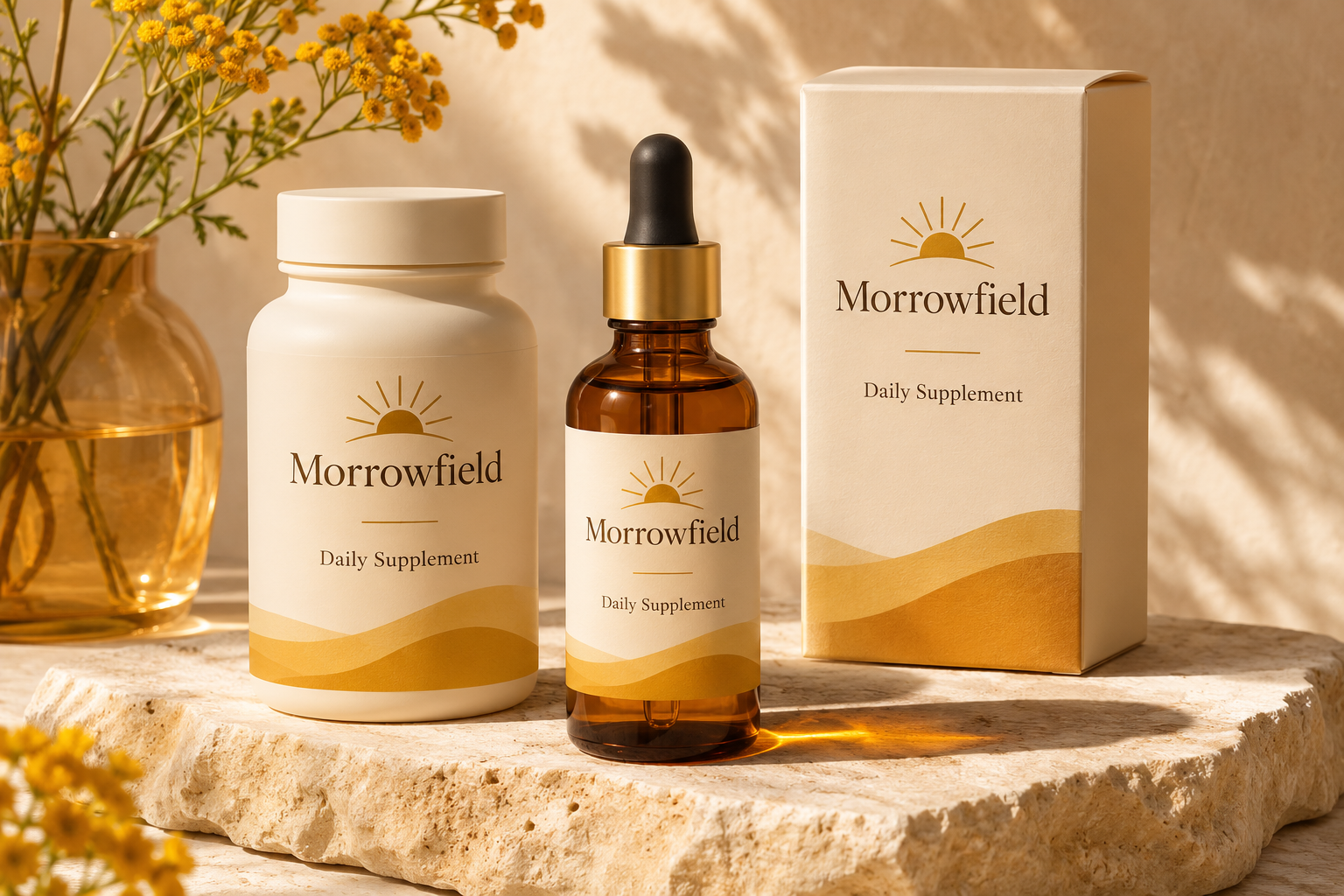

The best way to communicate the value of a nutraceutical product is to know who is buying. You can explain the science in simple words and support every claim with proof. Start by separating prevention-minded shoppers from those with a specific concern, and earn consumer trust with clear labels, third-party testing, and honest feedback.
Nutraceutical marketing works best when a clear, honest message reaches the people who need your product. With around 75% of U.S. adults using dietary supplements, the market is crowded. Strong nutraceutical brand marketing helps you to stand out in the nutraceutical industry, the larger wellness industry, and consumer healthcare. This is true whether you are selling wellness products or a single formula.
Define Your Audience by Goals, Concerns, and Influencers
You can define your nutraceutical audience by grouping buyers based on why they shop, how much evidence they need, and who influences them. This is the starting point for clear product positioning. It is the base of good product marketing and wellness marketing for any supplement business.
Goal-Driven vs. Symptom-Driven Buyers
Younger consumers usually take supplements daily to maintain their long-term health and wellness. Older adults are more likely to seek help for a specific issue. Some people take nutritional supplements daily to maintain their health. But others want help with a specific problem. As a result, people may react differently to a message about daily energy.
Match the Format to Daily Habits
Nutritional products come as capsules, gummies, functional foods, and drinks. Whether you sell vitamins, minerals, probiotics, or herbal supplements, the format should never weaken the formula. A busy commuter may prefer a ready-to-drink choice, but someone who does not like to swallow pills usually prefers gummies. Make sure you clearly state the dose and ingredient quality for every format you offer. The table below shows the comparison.
Audience Segment |
What They Look For |
Best Way to Communicate |
| Everyday wellness seeker | They look for simple ways to stay healthy and understand the benefits | You can share short posts, ingredient details, and serving instructions |
| Symptom-driven buyer | They want to know what results to expect and also safety details | FAQs, honest expectations, and plain-language study summaries |
| Healthcare professional | They need details about dosage, ingredient forms, and research | You can share research, quality certificates, and contact details |
| Fitness or wellness coach | They want to know how to use, timing, and consistency | You can share usage tips, daily routines, and product training |

Translate Science Without Hype
The best way to translate science is to explain to people what each part does and how much is used. You should also explain what results they may realistically expect. Making big promises may help you make quick sales. However, this may also bring negative reviews, refunds, and compliance concerns. Honest, healthy product advertising helps build a stronger brand.
Lead with Substantiated Benefits
In the United States, supplement brands can make structure/function claims without getting approval. But they must have proof, notify the FDA, and include a label disclaimer. These rules come from the Dietary Supplement Health and Education Act, known as DSHEA. They apply to all dietary supplement advertising. “Supports normal energy levels” is a better way to explain the benefit than saying a product “cures fatigue.” Because rules can change, you can ask a regulatory professional to check your final copy.

Simplify Clinical Data
Many shoppers do not read full studies. You may make this easier to understand by showing the amount, ingredient form, and research in a simple way. It is worth doing because 81% of adults in a recent CRN survey said scientific evidence matters when choosing a supplement. Evidence is important, but people should be able to understand it easily. Basic data also helps with ingredient transparency.
Educate Before You Sell
Buyers may take their time and choose what works best for them because of guidance, ingredient details, and FAQs. For example, you can build trust by writing an article comparing different ingredient forms. This works better than using a banner that simply says your formula is “the best.” This method also helps buyers choose the best product for themselves. This can lead to happier customers and more repeat orders.
Build Credibility and Remove Friction
Credibility usually comes from being clear about what is in your product and where it comes from. It also helps to tell buyers who has checked it. When buyers can easily check these details, they feel more confident at checkout. So, you have to earn buyers’ trust.
According to CRN’s 2026 survey, 78% of adults feel confident supplements are safe when used as directed, but only 62% feel the same about the industry. When you close that gap, you build consumer trust, which is at the heart of supplement branding.
Clean Labels and Transparent Sourcing
Use common names for nutritional ingredients and explain where they come from. Also, if possible, suggest sustainable packaging. A short “where it comes from” line on each product page works very well. Also, ensure that the information on your label matches that on your website. If the details are not correct, buyers may start to doubt your products.
Independent Verification
Third-party testing and recognized quality certifications might help you overcome distrust in a crowded market. Show them near the buy button, not at the bottom. Shoppers want to see actual proof.
Credible Voices and Personalization
Pair your education with credible experts or genuine customer feedback. A short quiz helps buyers find the right product for their needs. This also respects their preferences and builds loyalty over time. Finally, keep an eye on your prices. 31% of adults say cost has stopped them. With good nutraceutical product positioning, you can explain who the product is for.
Measure What Works and Adjust
You can see if your message is working by looking at what buyers do after reading it. Track which pages drive sales and how many customers buy again, and review what customers say in reviews and support questions. If buyers keep asking you the same question, your content has missing information. You can fix the issue, test your content again, and keep your message simple. Health supplement marketing gets better when you use that feedback.
Frequently Asked Questions
What is nutraceutical marketing?
Nutraceutical marketing means promoting supplements and functional products to the right buyers. You explain their ingredients, benefits, and quality. It relies on education and proof, not on big promises.
Who is the target audience for nutraceuticals?
Your audience includes adults who care about their health and wellness, and people with specific health issues. It also includes professionals like physicians, pharmacists, and coaches who recommend products. You need to share different levels of detail with each group.
Can you make health claims on supplement labels?
Supplements may use structure/function claims, but the claim must be truthful. You also need the required label disclaimer, and disease claims follow different rules. Make sure you read the FDA’s structure/function guidance before you publish.
Why does third-party testing matter?
Independent testing shows that an outside party has checked your product’s quality. This outside check can help ease buyers’ doubts. It can be especially helpful for first-time buyers who do not know your brand yet.
How do you explain ingredient science to non-experts?
Use short sentences and name the dose and ingredient form. Also summarize the research in one line. You can make the details easier to understand with simple visuals, such as a label breakdown.
How do you build trust with new buyers?
Tell buyers where your ingredients come from and show your testing and certifications. You can also include honest reviews. Use guides and quizzes to help new buyers feel informed, not pressured.
Final Thoughts
Communicating product value involves three habits. Know your audience and keep the science simple and honest. You also need to prove your product’s quality. With a clear supplement branding strategy, your wellness product advertising stays consistent. If you need help creating a clear plan for your products, Quaintise can help you explain your goals and next steps.
Book Your Consultation Today!