

Pharmaceutical brands can make complex product information easier to understand by replacing dense medical jargon with plain language, clear visuals, and simple digital formats that patients and healthcare professionals can use on demand. But the best results can only come from testing materials with real readers before launch. Clear communication helps ensure safe use and builds trust. It also helps people to follow their treatment from the first page to the last.
According to the U.S. Office of Disease Prevention and Health Promotion, nearly 9 in 10 adults have limited health literacy skills. This guide will show four practical ways to help you close that gap, with real examples you can apply to patient leaflets, websites, and sales aids.
Why Is Complex Product Information So Hard to Understand?
For those with limited health literacy, complex product information is hard to understand because of the dense amount of trial data, scientific terms, and lengthy safety articles. Patients, carers and even busy clinicians have to do their part to find the facts they need. Therefore, making that information simple can be a safety measure and a communication goal, and it benefits all audiences.
Low health literacy is a contributing factor. According to the FDA, recent drug information may be confusing, conflicting, incomplete, or repetitive, and adherence to medications may be responsible for almost 25% of hospital admissions. So, it is not that “clear information will solve all the problems,” but it does give an advantage for those who lack health literacy.
How Can Pharmaceutical Brands Use Plain Language?
A simple way to adopt plain language is to use everyday words rather than technical terms. They should arrange the key facts into short, well-designed summaries and present figures in a way that is easy to understand without requiring calculation. With each change, the path from reading to understanding is reduced. The audience should be people who normally take medicine, not regulators or lab staff. And try to keep all sentences correct.
Replace Technical Terms With Everyday Words
The best first approach is to swap heavy clinical vocabulary for the words patients and caregivers actually use. For example, use the term ” high blood pressure ” instead of “hypertension,”. Also explain any technical term you must keep, and use short sentences in an active voice.
Use Short, Structured Summaries
Readers look at the first page first, and it shapes their understanding of the product. This means the single-page summary can ignite interest in the reader’s mind. The FDA has proposed one-page Patient Medication Information documents that cover the drug’s name, what it treats, key safety information, common side effects, and how to use it. Brands can borrow that same order for their own patient materials.
Present Numbers Clearly
Another best way is to present data in clear numbers that won’t confuse readers. Use whole numbers and phrases instead of percentages or decimals. You can also use exact numbers, such as “4 out of 5 people” and keep the same format throughout. So comparisons stay simple. If the risk is small, specify how small, and include the comparison group so the number has meaning.
How Do Visual Aids and Data Visualization Help?
Visual aids and data visualization help by turning trial results and treatment steps into pictures that readers can understand in seconds. The use of clean charts, icons, and step-by-step diagrams lessens reading load, particularly for those with lower levels of health literacy or language barriers. Visuals will be effective when each one makes a single point and carries a clear, understandable label.
Infographics and Charts
Draw basic graphs and diagrams to display clinical trial results, trends and effectiveness. The main thing is the labelling; it should be simple and easy to understand, with few colours and uncluttered axes. If the chart requires a paragraph to explain, then design it accordingly.
Symbols and Pictograms
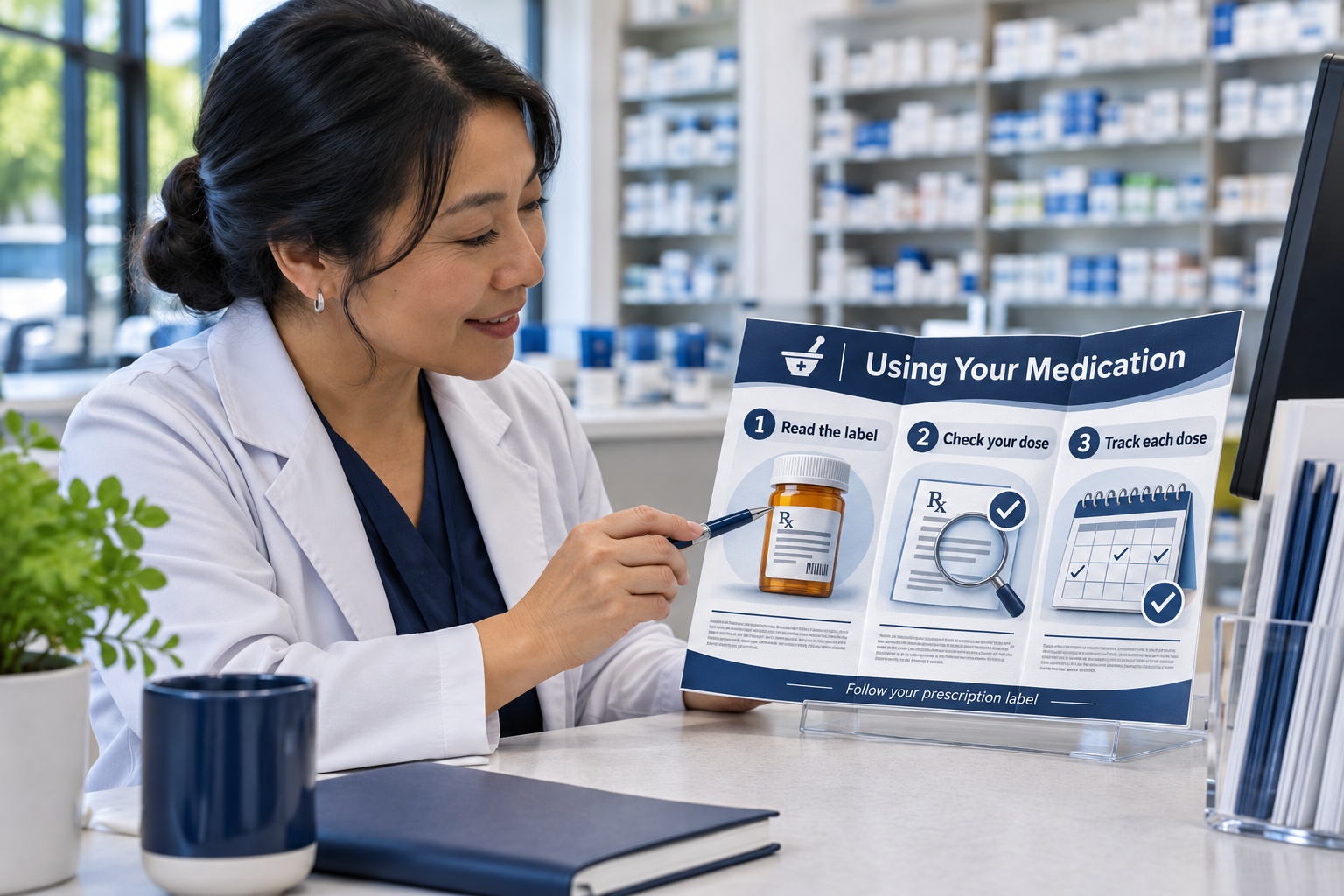
Icons, illustrated steps, and symbol-based guides help readers who find reading challenging. As an example, instead of a lengthy paragraph, a picture of a dosing step can be used.
Interactive Visual Aids for Field Teams
Interactive visual aids can create new opportunities for brands. In this case, medical representatives don’t have a slide deck; instead, they have a digital walkthrough. This makes conversations with healthcare providers more relaxed and direct. They can also easily follow the provider’s questions without a script.
How Do Digital and Multi-Modal Formats Make Information Clearer?
They make information clearer by letting each reader choose how to learn: watch a short video, ask a chatbot, or open a one-page summary and go deeper only if needed. These offerings, in several formats, respect different learning styles and time limits. Every format must still match the approved labeling and pass medical, legal, and regulatory review before it reaches the public.
Explainer Videos and Animations
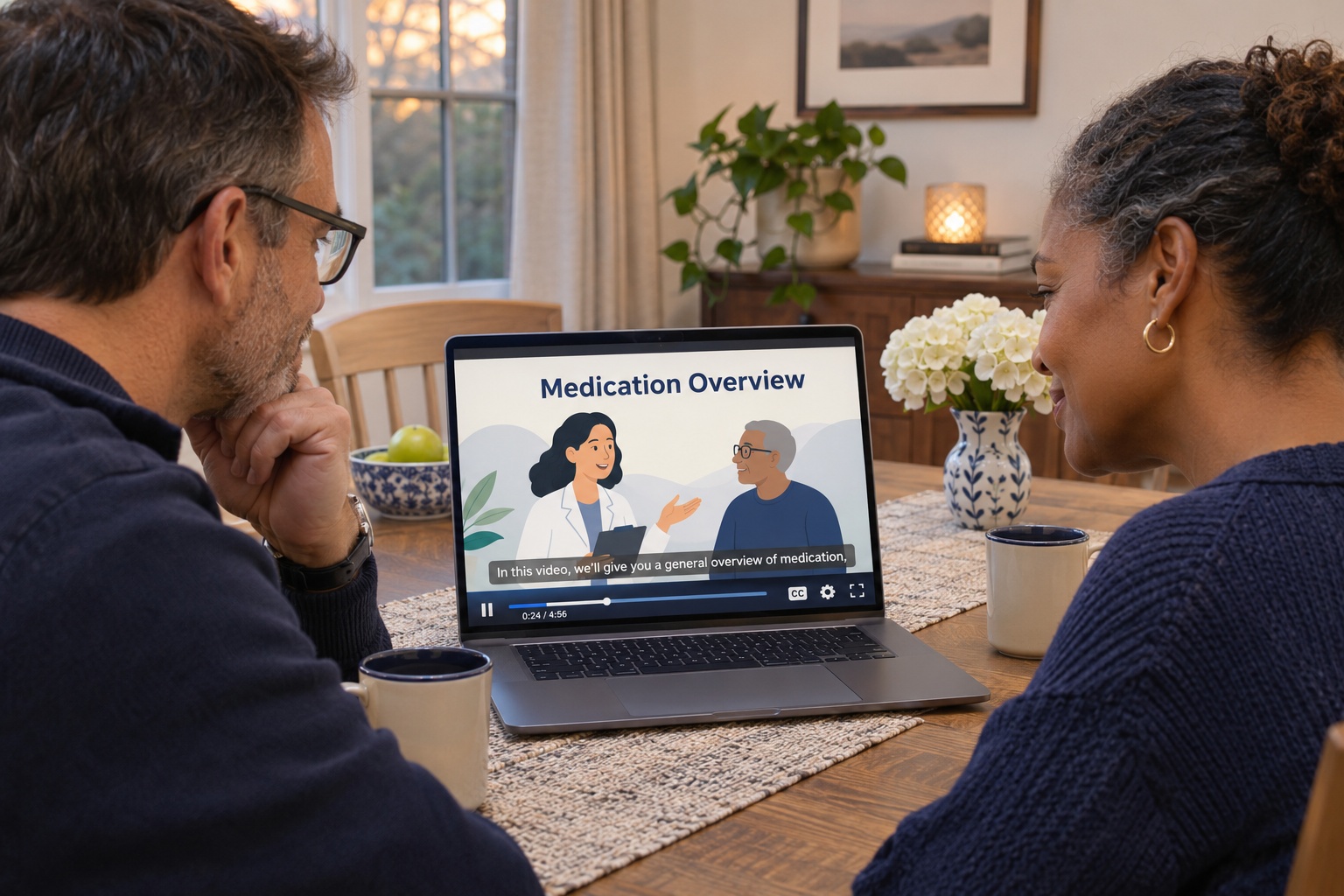
Animations of the rare disease and short narrative videos can help explain how the therapy works inside the body. This information can help with rare disease treatments and understanding new techniques when written explanations are abstract. But the clip should be short, calm, clear, and easy to follow.

Mobile and AI-Driven Platforms
In recent years, large-scale evaluation has become possible through mobile and AI-driven formats, using mobile health apps, real-time chatbots, and digital portals. Healthcare professionals and patient can query their own data when they need it. Medical information platforms such as PhacMI can guide how this works for professionals.

Tiered Information Architecture
You should keep the brief summary first, then link to deeper modules for readers who want the full data. There is no restriction on the details they do not need, and nobody is blocked from finding it.
Frequently Asked Questions
Why does health literacy matter for product information?
When readers have limited health literacy skills, dosing, safety, and side effect details are easier to misread. Simple and easy-to-understand content helps people follow treatments correctly.
What is a one-page Patient Medication Information document?
It is a short, standardized summary proposed by the FDA in 2023. It covers the drug’s name, what it treats, key safety information, common side effects, and how to use it.
How can brands test whether materials are clear?
To do this, ask a small group of target readers to explain the instructions back in their own words. This way, you can fix anything they misread and retest before launch.
Do digital formats replace approved labeling?
They support it but never replace it. Every video, chatbot answer, and summary must match approved labeling and pass medical, legal, and regulatory review.
Final Thoughts
These four steps (as described above) can help readers to better understand pharmaceutical information. Use simple, everyday language, clear data visuals, flexible digital formats, and adapt for different audiences. Test each piece with real readers, and label each with approved labels. Because many adults struggle with health information, these small improvements make it easier for patients to use treatment safely.
If you want to make the technical content more readable and helpful, Quaintise is here to help you create clearer product materials. So, schedule a consultation with Quaintise today.